
Meet Samantha Dye: Leading the future of coaching education at UW–Madison
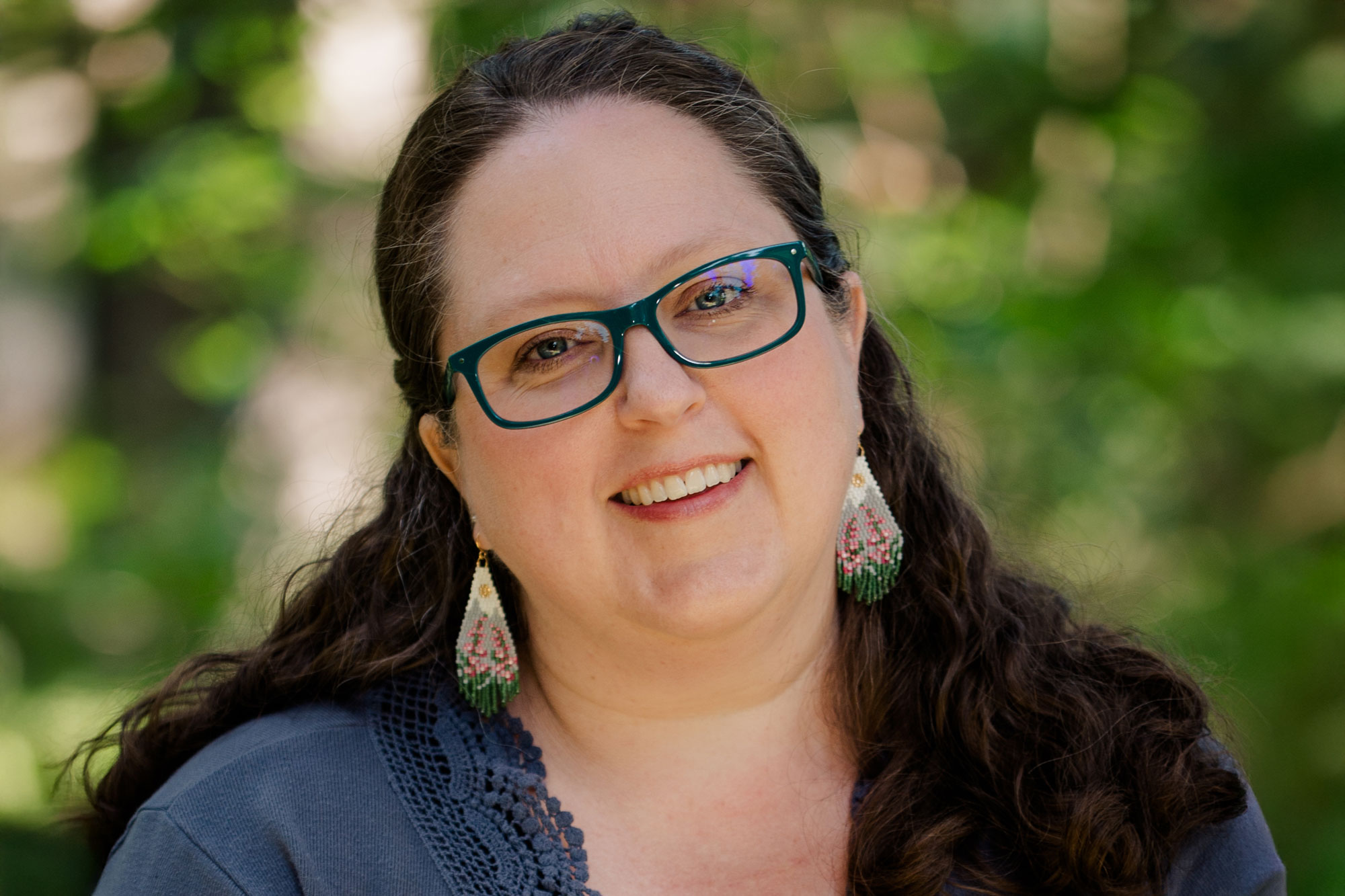
Samantha Dye
Earlier this year, we were delighted to announce Samantha Dye, MA, MCC, ACTC, as our new program developer and director of education for Professional Coaching Education. Housed within Continuing Education at UW–Madison, the Professional Coaching Education program offers various courses for individuals interested in learning and applying coaching skills to support others in reaching their personal and career potential.
Samantha’s deep knowledge of coaching practice, commitment to excellence in adult learning and collaborative spirit have left a lasting impression on students and colleagues alike. Below, she shares more about her background, who can benefit from coaching education and what she has in store for UW–Madison’s programs in 2026.
Tell us about your own journey to coaching education and how you came to your new position in Continuing Education at UW–Madison.
I formally entered the coaching world about 15 years ago through my master’s degree at Fielding Graduate University. I was studying organizational management and development, and there were a few elective courses on executive coaching. I didn’t have coaching on my radar.
During one of my in-person cohort meetings, I struck up a conversation with a woman enjoying a cup of coffee on the patio. She asked me what I hoped to do in life and through my work, and she ended our conversation by sharing that she was the director of the evidence-based coaching program, and she thought coaching might be a good fit for me. She offered an option to weave it into my master’s degree. She modeled so much of coaching to me through that brief conversation, and that conversation over coffee was the catalyst for coaching becoming such an integrated part of my life and work. I took her up on her offer and completed the evidence-based coaching certification alongside my master’s degree.
For many years, I ran my own business working with individuals and organizations, using coaching skills and organizational development approaches. I was invited to serve as a mentor coach for the UW Certified Professional Coach program in 2018, while living in Alaska. I grew to love working with learners in the program, supporting them to develop their own coaching skills. In 2020, when UWCPC needed to shift to being a virtual program, I was invited to be on the curriculum redesign team. I jumped at the opportunity and realized during that redesign process that coaching education was something I was interested in.
Coaching education weaves together coaching skills, instruction, facilitation and adult learning practices — all things I love. The journey with UW kept unfolding, from mentor coach to curriculum redeveloper to UWCPC instructor. Eventually, I was asked to serve as the lead instructor for UWCPC and am now taking on the role of program developer and director of education for the entire coaching education portfolio.
What’s something unique about professional coaching that people might not know?
The benefit of learning how to coach, whether you decide to become a credentialed coach or not, is that you learn a different way of being in the world that is full of curiosity and how to be present with another human. As you learn coaching skills, they start to become attributes of who you are, and others will begin to notice a difference in how you interact with them.
Can you talk about the varied reasons people decide to take professional coaching education courses?
Coaching is a highly valued skill that anyone can use at any time, in any field. It’s a skill that builds on “being human together,” creating space for listening and exploring something with someone else. As much as coaching can be applicable for anyone, there are specific reasons people seek it out.
Many companies and workplaces want to foster a coaching culture and are asking their employees to develop their coaching skills. Others are seeking a career change and want to support others with their time and experience, so they want to learn how to become a coach. We also see individuals who have their own companies or are part of leading a company and want to have a different way of being with people, of working with them — and coaching is a good route. And we see those who want to start their own business and like the way coaching resonates with who they are and what they want to offer the world.
Many seek out our programs because we are a university-based organization and accredited by the International Coaching Federation (ICF). We uphold the values and standards of the ICF, the largest global coaching organization, and our coaching education aligns with what individuals need to apply for an ICF credential, the gold standard in the coaching industry. Our learners also value that our coaching education is university-based and part of such a prestigious academic setting at the University of Wisconsin–Madison.
What do you want people to know about the coaching education programs at UW–Madison and how you hope to build on them in the future?
The coaching we model and teach at UW–Madison, as defined by the ICF, has the power to impact the world! I am dedicated to creating accessible, scaffolded coach training programs so that individuals from diverse backgrounds can learn to coach. Accessibility includes considerations of cost, time and location — all of which are enhanced by virtual options.
I’m excited to build on UW–Madison’s history of providing high-quality coaching education programs and expand the portfolio of offerings. Look forward to more scaffolded, accessible programs that align with the ICF and allow you to enter and re-enter our program at any point in your coach training. As the program developer for Professional Coaching Education, I’m eager to create a portfolio of programs that develop individuals into amazing coaches!
What do you like to do when you’re not working?
I love spending time with my husband and daughter, being in nature and having unstructured time to simply enjoy life. My favorite activities include gardening, exploring trails by bike and on foot, road-tripping to beaches and mountains, playing board games (especially Settlers of Catan, Dominion and Ticket to Ride) and cooking delicious meals to share with others.
Learn more about Professional Education Coaching at UW–Madison. To contact Samantha Dye, please email her at sdye@wisc.edu.

Post written by Jill Schaefer.


Published on Dec 04 2025
Last Updated on Mar 10 2026
Categories: Continuing education, News
Tags: faculty & staff, online, professional coaching, professional development
