
Literacy, loyalty and local libraries: Wooden boxes turned into global movement
The little home-shaped boxes around Madison (and across the world) are not just for decoration — they are Little Free Libraries, and the national organization has ties right here at the University of Wisconsin–Madison.
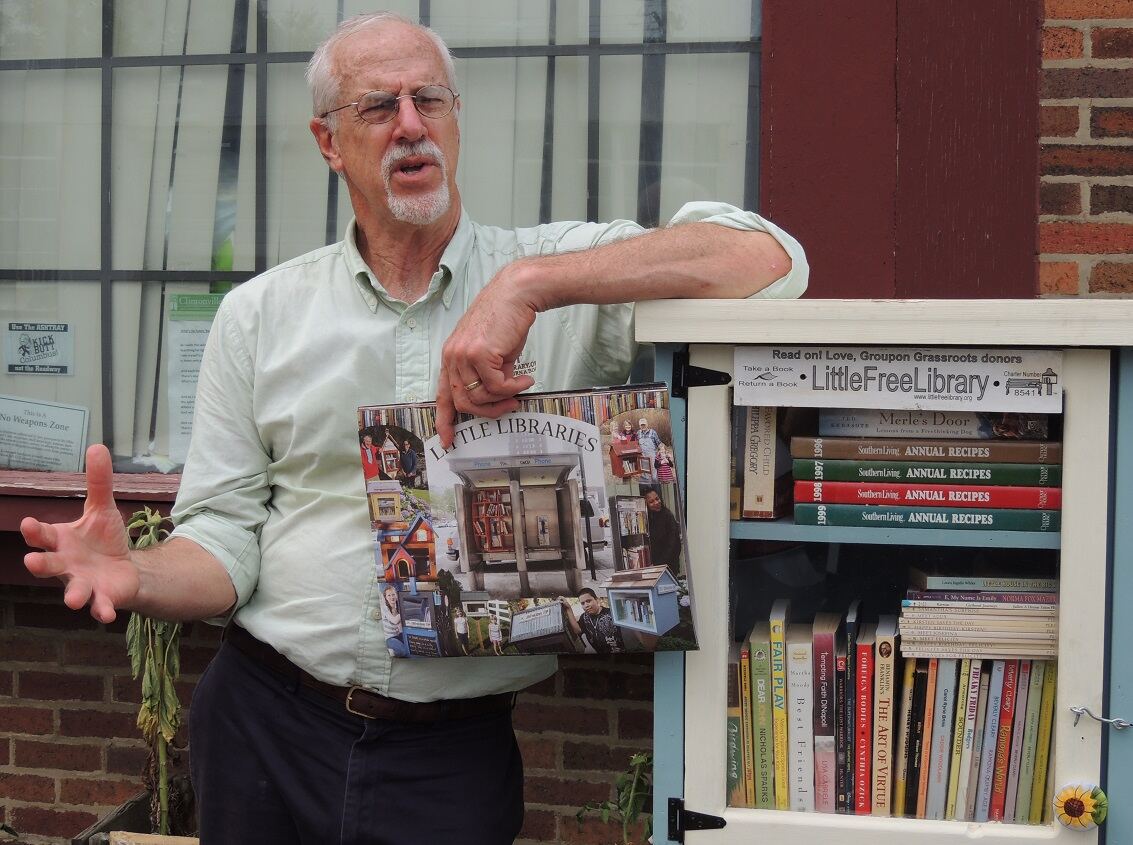
Rick Brooks sees more than just a simple wooden book shelter when he visits a Little Free Library. He sees an engine of local philanthropy, a vehicle for social progress and a catalyst for civic trust.
Brooks worked in the Division of Continuing Studies (DCS) at UW–Madison for 26 years, long before the little wooden boxes were a common sight on local lawns. Brooks committed his career to community development, health promotion, youth resiliency and public participation under the Wisconsin Idea, the notion that the university’s influence should extend beyond the boundaries of the state.
“I always felt as though [the libraries] could carry a lot of social freight,” Brooks said, reflecting on the movement he co-founded. “It’s all the other things — like getting to know your neighbor [and] getting to know people that you didn’t know before.”
The little home-shaped boxes around Madison (and across the world) are not just for decoration — they are Little Free Libraries, and the national organization has ties right here at the University of Wisconsin–Madison.
Rick Brooks sees more than just a simple wooden book shelter when he visits a Little Free Library. He sees an engine of local philanthropy, a vehicle for social progress and a catalyst for civic trust.
Brooks worked in the Division of Continuing Studies (DCS) at UW–Madison for 26 years, long before the little wooden boxes were a common sight on local lawns. Brooks committed his career to community development, health promotion, youth resiliency and public participation under the Wisconsin Idea, the notion that the university’s influence should extend beyond the boundaries of the state.
“I always felt as though [the libraries] could carry a lot of social freight,” Brooks said, reflecting on the movement he co-founded. “It’s all the other things — like getting to know your neighbor [and] getting to know people that you didn’t know before.”
A meeting by chance
Todd Bol and Brooks met while Brooks was in Hudson, Wisconsin, conducting a class on green business methods. In honor of his mother, a dedicated teacher, Bol had built a little wooden box that resembled a one-room schoolhouse and filled it with books that neighbors might check out.
Brooks saw a chance to expand Bol’s modest homage into a larger societal project after realizing its potential.
“Why don’t we make a lot of those things, and see if people would be interested?” Brooks said, recalling his suggestion.
Brooks drew on his experience in outreach, communication and grassroots organization. Media attention quickly increased as early models were displayed at local events, including Madison’s Willy Street Fair.
He and Bol received a $1,000 grant from the Awesome Foundation‘s Chicago branch to distribute boxes across urban neighborhoods. The concept struck a chord with communities all around the world after appearances on Wisconsin Public Radio and national programs like NBC Nightly News, according to Brooks.
“There was a week when we were in The Times of India, The Seattle Times, and The New York Times,” Brooks said. “It just took off.”
Building a global gift
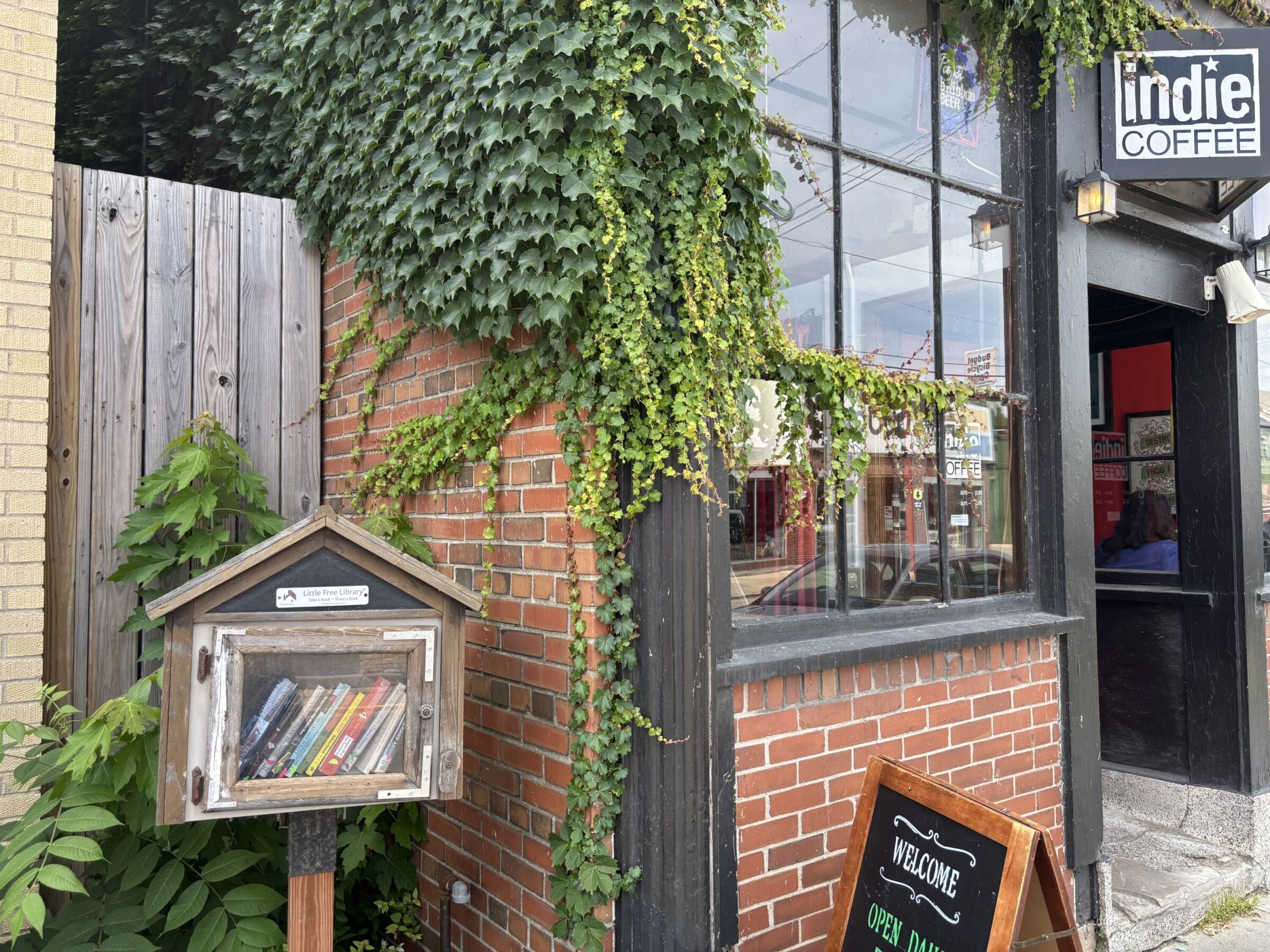
The Little Free Library’s core values were what made it so appealing: Take a book and share it with others. The libraries, which were founded on the ideas of a gift economy, did not require library cards, late fines or official monitoring. They produced unexpected moments of connection.
“The concept is, how do you share something of value with someone else?” Brooks said. “It’s not just the books and reading. It’s something that matters to you and something that you’re curious about. And the beauty is in the serendipity of it.”
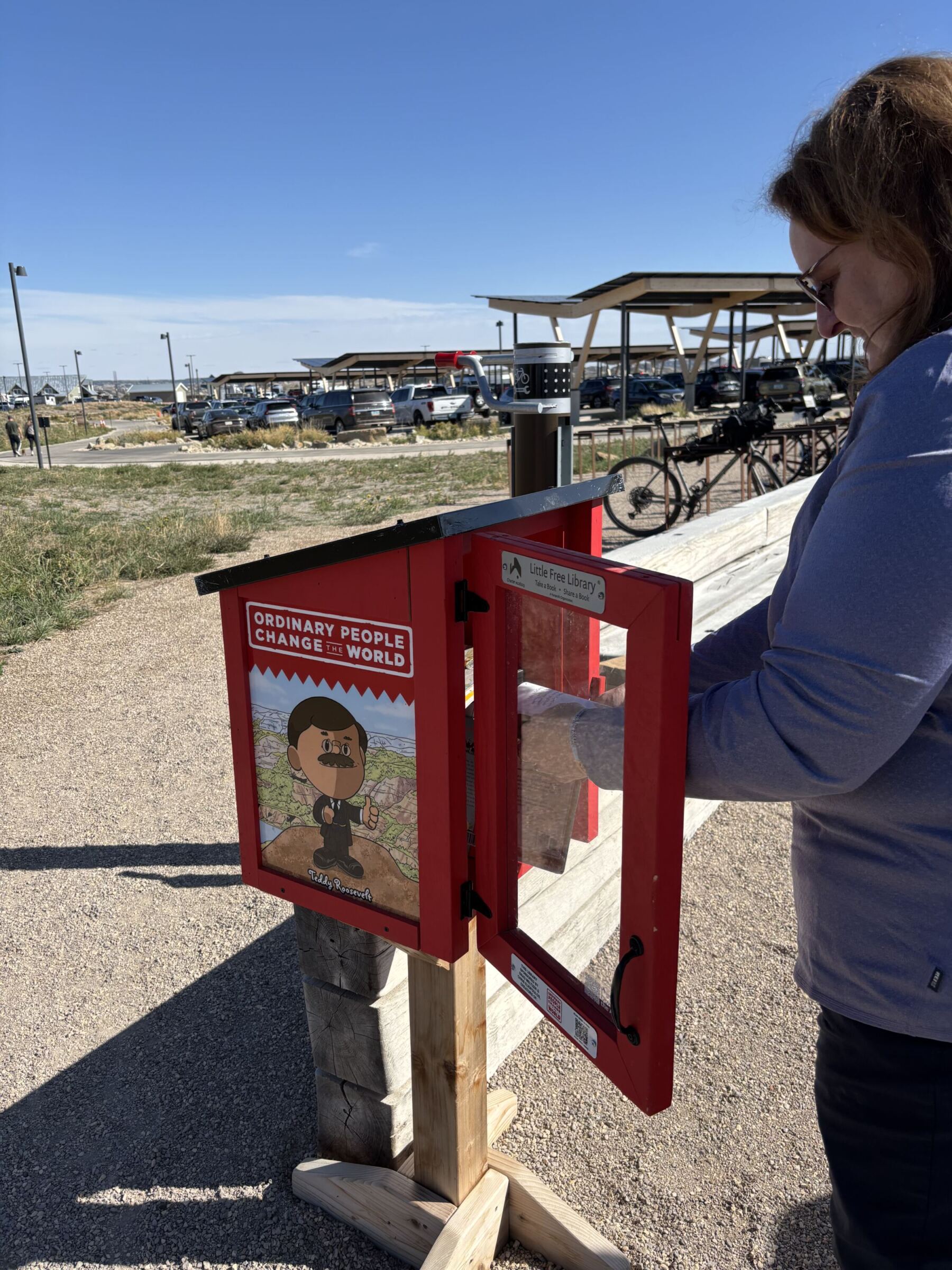
Globally, Little Free Library inspired more extensions, such as community food pantries, seed exchanges and Free Little Art Galleries (FLAGs). Currently, there are more than 200,000 Little Free Libraries registered in 128 countries worldwide.
Community created a legacy
Even though Brooks departed UW–Madison to pursue other local service endeavors — such as currently operating a community bike store in Princeton, Illinois — and retired from the official Little Free Library organization in 2014, the project’s influence continues to be crucial to his life’s work.
“I rode across RAGBRAI [Register’s Annual Great Bicycle Ride Across Iowa] when I was 67 years old. The first day on that was 84 miles. I tell that story because my goal was to see how many little libraries I could find,” Brooks recalls. “And I found six on the route. Beautiful.”
What started out as an outreach initiative with connections to UW–Madison developed into a global cultural standard.
“It’s become a norm, and it’s not just the box,” Brooks said. “It’s the idea that you take something [and] leave something. You contribute part of yourself, and you get something from others. The social impact of these things is just thrilling to me.”
See the DCS history website for more information on the history of continuing education at UW–Madison.
