
Advocating for Indigenous knowledge in the scientific community
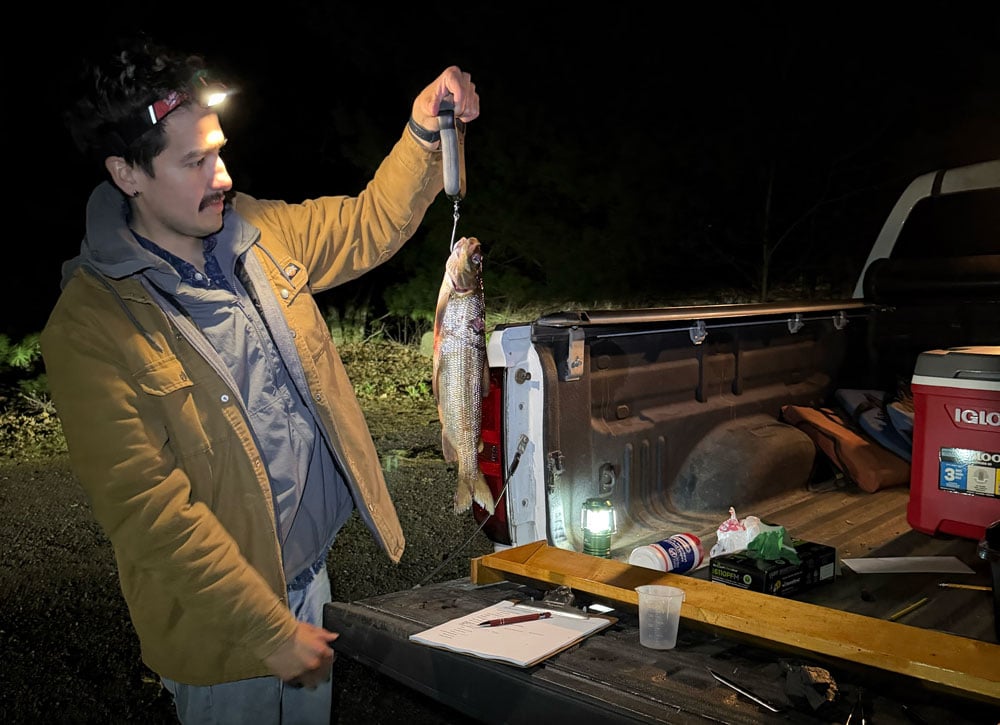
Photo courtesy of Ray Allen, Ph.D.
Ray Allen, Ph.D., was studying fish long before he set foot in a biology classroom.
Growing up, he joined his Ojibwe relatives in walleye spearing on lakes around Boulder Junction, Wis., an important cultural practice for his tribe, the Lac du Flambeau Band of Lake Superior Chippewa Indians.
Years later, he became a National Science Foundation postdoctoral researcher at the UW–Madison Center for Limnology’s Trout Lake Station, where he used his tribal wisdom to advance limnological research on behalf of the university.
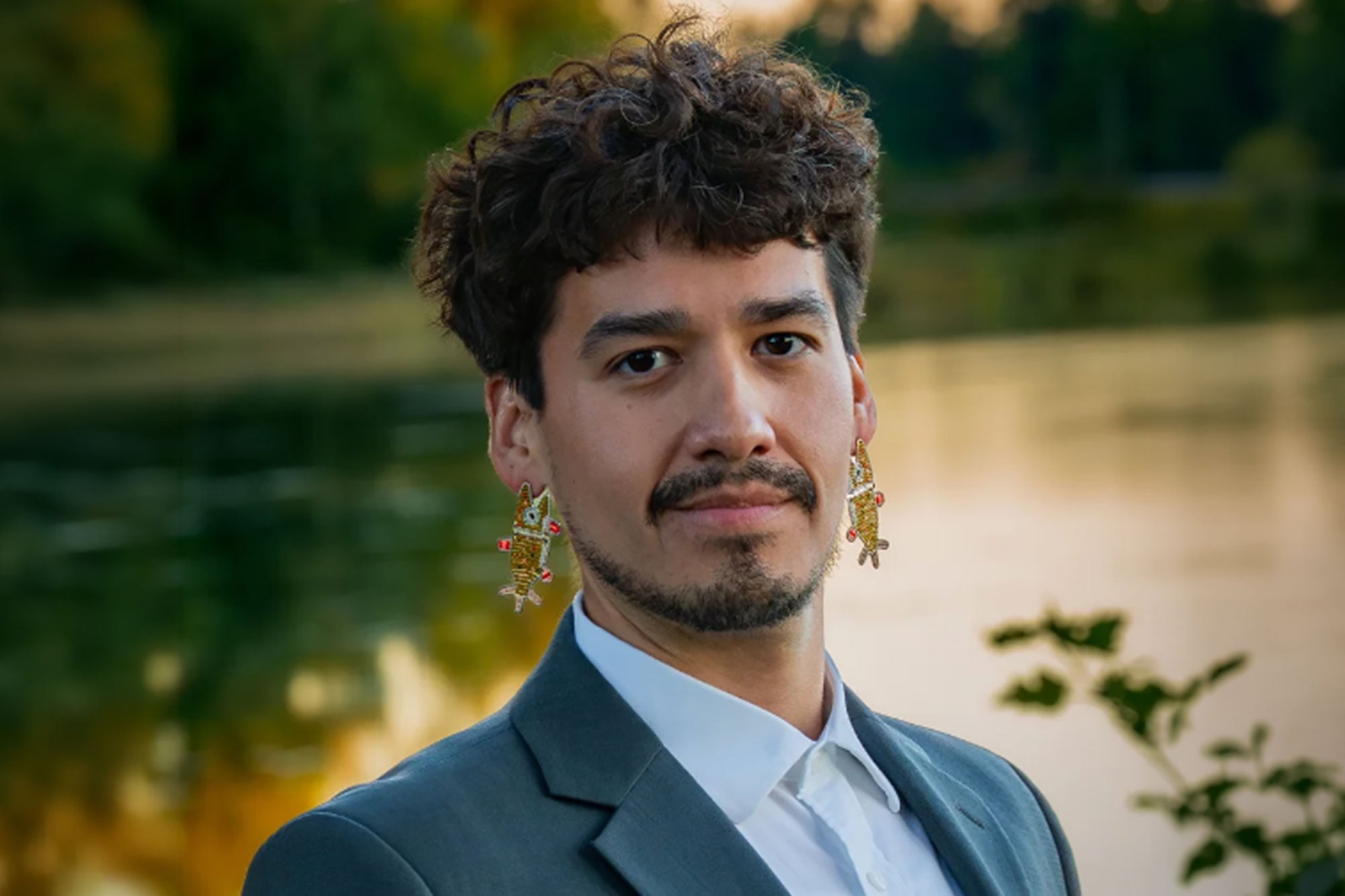
Ojibwe limnologist Ray Allen, Ph.D
“Coming from this area, I already know all the fish,” Ray says. “I don’t have to relearn everything and why it’s important. It’s stories that have been told to me over and over again growing up.”
But earlier in his academic journey, he had “the assimilation mindset” and downplayed his tribal identity.
Now, Ray advocates for Indigenous perspectives in the scientific community and wants to help others broaden their perspective on what types of knowledge are respected and celebrated.
For Native November, I talked with Ray about how both academic and cultural knowledge can help solve society’s challenges and make life better for the plants, animals and people of Wisconsin.
Supporting different paths
Ray felt pressure to follow a “prescribed” path that kept him away from his Indigenous homeland. But remote learning during the pandemic changed his thinking.
“I am willing to stay in academia, but I need to be close to home,” Ray says. “Let me be as remote as possible, without being isolated from my community.”
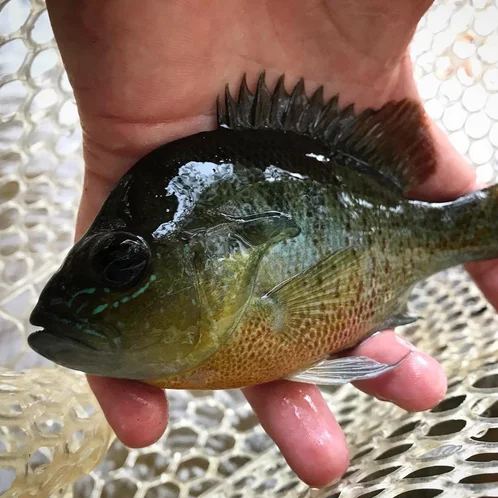
Sunfish, a Wisconsin freshwater fish. Photo courtesy of Ray Allen, Ph.D.
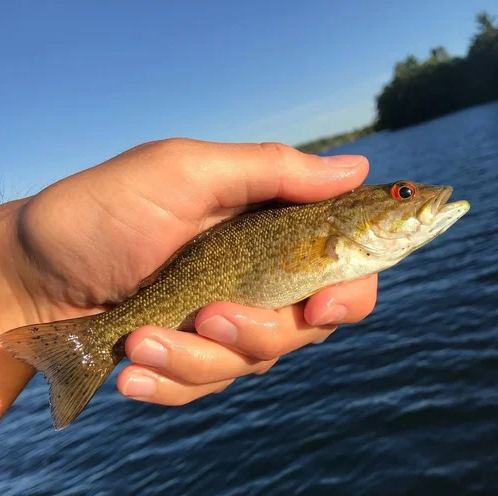
Large mouth bass, a Wisconsin freshwater fish. Photo courtesy of Ray Allen, Ph.D.
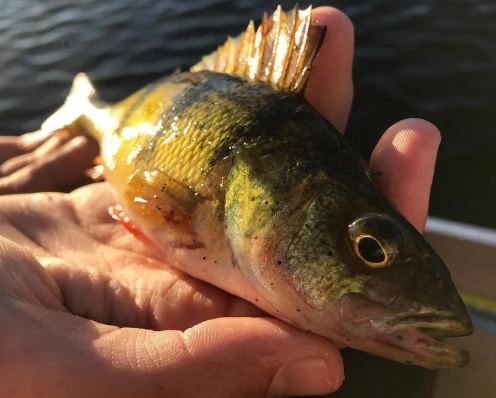
Perch, a Wisconsin freshwater fish. Photo courtesy of Ray Allen, Ph.D.
Since then, he’s helped introduce seasonal and weekend training programs for Indigenous students and community members through Phenological Initiatives for Indigenous Peoples in Limnology (PhIN), a collaboration between Trout Lake Station and the Lac du Flambeau Tribe’s Tribal Natural Resources Department.
When we prioritize learning over location, everyone can be a scholar, whether you’re an academically trained limnologist or a curious citizen.
On campus, the Wisconsin Tribal Educational Promise Program offers financial support for undergraduate as well as law and medical degrees at UW-Madison.
Ray was also a McNair Scholar, a program helping first-generation, low-income students pursuing PhD programs nationally.
Valuing community ties
Sometimes insight comes through conversations with friends, family and community leaders.
For example, when Ray needs to talk to Lac du Flambeau’s Tribal Natural Resources Department about something pertaining to his research, the person on the other side might be Jeremy from high school.
“It’s just like seeing old friends again, but now I’m like, ‘oh, how can I help you? Or how can we help each other in this work?’” Ray says.
Ray’s tribe encourages college students to come back and re-invest their skills in the community if they can. Since being home, he has served as a tribal council member and coached the Science Olympiad chapter at the local high school.
The promise of the Wisconsin Idea lies in these types of connections, happening across the state, that strengthen communities and the university.
Continually evolving
Ray’s story raises the question: Whose traditions are considered “traditional”?
“It has been a monumental effort to get my peers to think outside of their traditional training,” Ray says.
But when we follow the same, well-worn paths, we miss out on opportunities to challenge ourselves and grow as learners.
Ray’s path honors both his academic and tribal wisdom, and he hopes his advocacy can help others see and appreciate different ways of knowing the world around us.
The Lifelong Learner is a monthly feature written by UW–Madison’s Division of Continuing Studies staff. Autumn Sanchez, academic advising manager, can be reached at autumn.sanchez@wisc.edu.

Post co-written by Autumn Sanchez and Sarah Olson.



Published on Nov 06 2026
Categories: Division of Continuing Studies, Student stories
Tags: Lifelong Learner column

