
In a world of AI, let humanity set you apart
I recently had a conversation with a student from our Badger Ready program that had me thinking about artificial intelligence (AI) and its place in educational and professional settings.
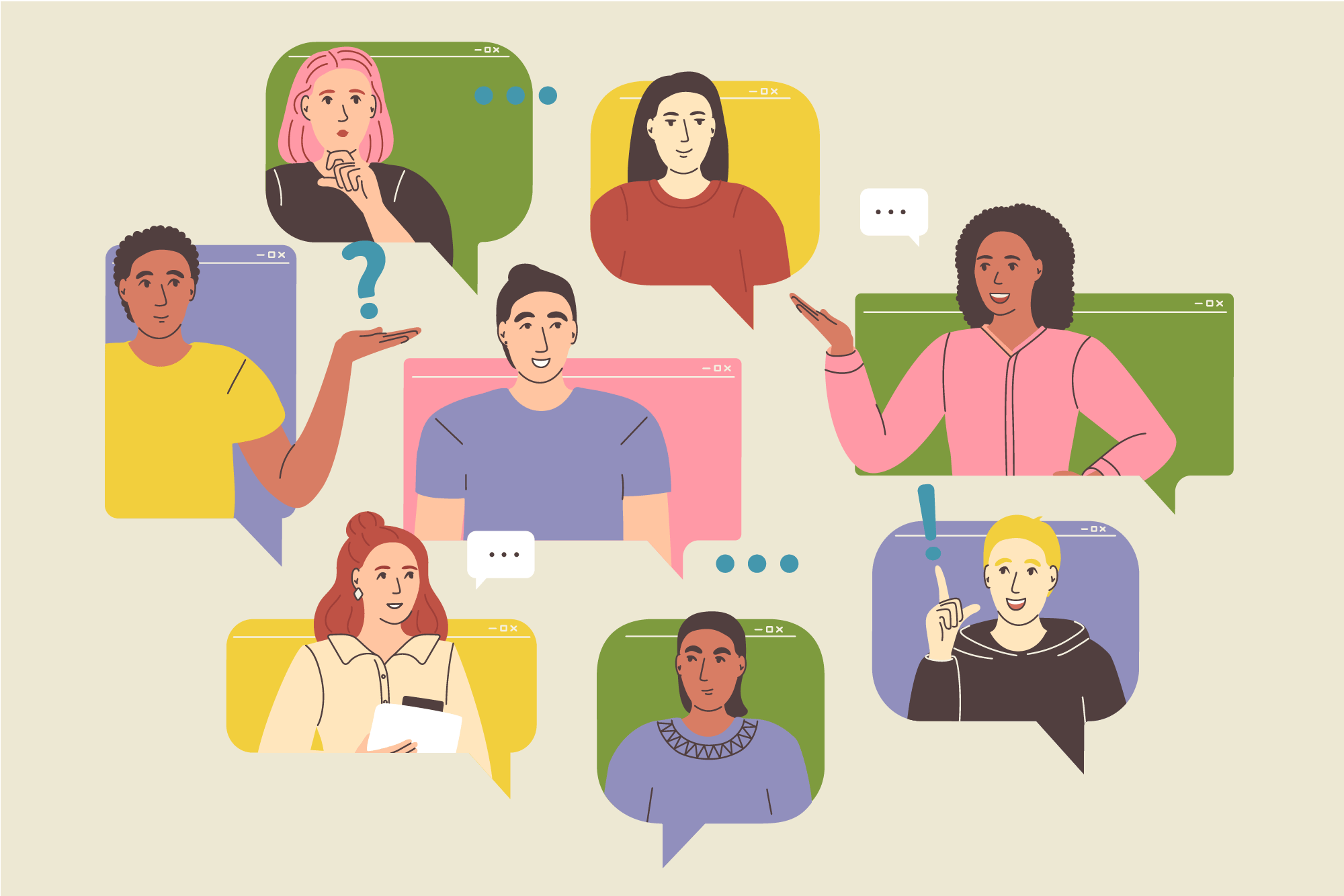
The student expressed concern about over-use of AI, in particular how it runs the risk of “getting the same output as everyone else” – erasing individualism. But this student came up with a creative way to avoid always relying on AI while also building soft skills: She started a group chat of friends who, when they’re stuck and tempted to turn to AI, tap each other instead – sharing ideas, sourcing inspiration and building relationships.
It’s a great example of leveraging something AI can’t replicate: human connection.
As David Brooks wrote in a 2023 New York Times piece, AI can reveal “who we are and what we have to offer.” So, what do we have to offer? In 2026, what should we focus on cultivating in our jobs and classrooms, alongside AI literacy?
Authenticity.
AI may mimic us, but it doesn’t have a distinct personal voice. That can only come from human experience. Allow your creativity and imagination to shine. Professors and fellow students benefit from your perspective, and because of this, you stand out as a unique and interesting individual. Employers want to know you, not just a perfectly formatted résumé. Share professional and personal stories that reveal resilience, problem-solving, learning, curiosity and adaptability.
Purpose.
AI is built to find patterns, predict outcomes and offer recommendations. It lacks consciousness, emotions and lived experiences that help us form our values, which shape our purpose. Stay true to your values and vision, and don’t shy away from sharing them when they align with a potential employer. Connecting your personal mission with an organization’s mission illustrates added value beyond the skills you possess. In a classroom, sharing your purpose injects an authenticity that AI can’t replicate.
Connection.
AI is no replacement for human relationships and relational learning, as my student found in her group chat. The empathy we possess is no match for machines when it comes to connecting with teachers, colleagues and others. Consider job interviews: They’re not just a Q&A, they’re about trust, listening and rapport. These qualities can’t be automated. Practice honing your listening skills, take time away from screens to connect with people in person and pay attention to your own feelings and responses.
The bottom line: AI might accelerate the production of information and can even help interpret and organize ideas. But human qualities such as personal experience, values and emotional intelligence cannot be coded. Used responsibly, AI can be a useful tool, but we have much more to offer the world in our educational pursuits, careers and lives.
The Lifelong Learner is a monthly feature written by UW–Madison’s Division of Continuing Studies staff. Autumn Sanchez, academic advising manager, can be reached at autumn.sanchez@wisc.edu.
This article first appeared in the Wisconsin State Journal on February 8, 2026.

Post written by Autumn Sanchez and co-authored by Lisa Bauer.


Published on Feb 10 2026
Last Updated on Jun 01 2026
Categories: Badger Ready, News, University Special Student Services
Tags: teaching & learning, technology
